Brian Eno – Discreet Music
Brian Eno’s Discreet Music, first released in 1975, occupies an important place in the development of ambient and generative music. Built around two simple melodic phrases of different lengths, the work uses a system of repetition and delay to create an evolving musical structure. Rather than composing a fixed sequence of events, Eno establishes a set of conditions and allows the music to develop through the interaction of its elements. Sounds overlap, drift apart and return, creating subtle changes in rhythm, harmony and texture. The result is music that exists somewhere between composition and process, with a structure that is continuously changing yet never quite arriving anywhere.
The work also introduced an idea that would become central to Eno’s subsequent practice: music as an environment. Rather than demanding the listener’s constant attention, it creates a space in which listening can take place at different levels. Individual sounds and patterns emerge gradually, sometimes almost unnoticed, before becoming part of a larger musical landscape. The experience is less about following a musical narrative than spending time within a particular sonic world.
When Discreet Music appeared in 1975, it was part of a wider experimental movement that was questioning the boundaries of composition and performance. Brian Eno’s Obscure Records brought together composers including Gavin Bryars and Michael Nyman, whose early work explored repetition, duration, chance and the use of existing musical material in new ways. These recordings now occupy an important place in the history of experimental music, although some of their composers are perhaps more widely recognised today for work in other contexts. Returning to them offers an opportunity to hear these pieces again in the spirit in which they emerged: as open propositions, still full of possibility.
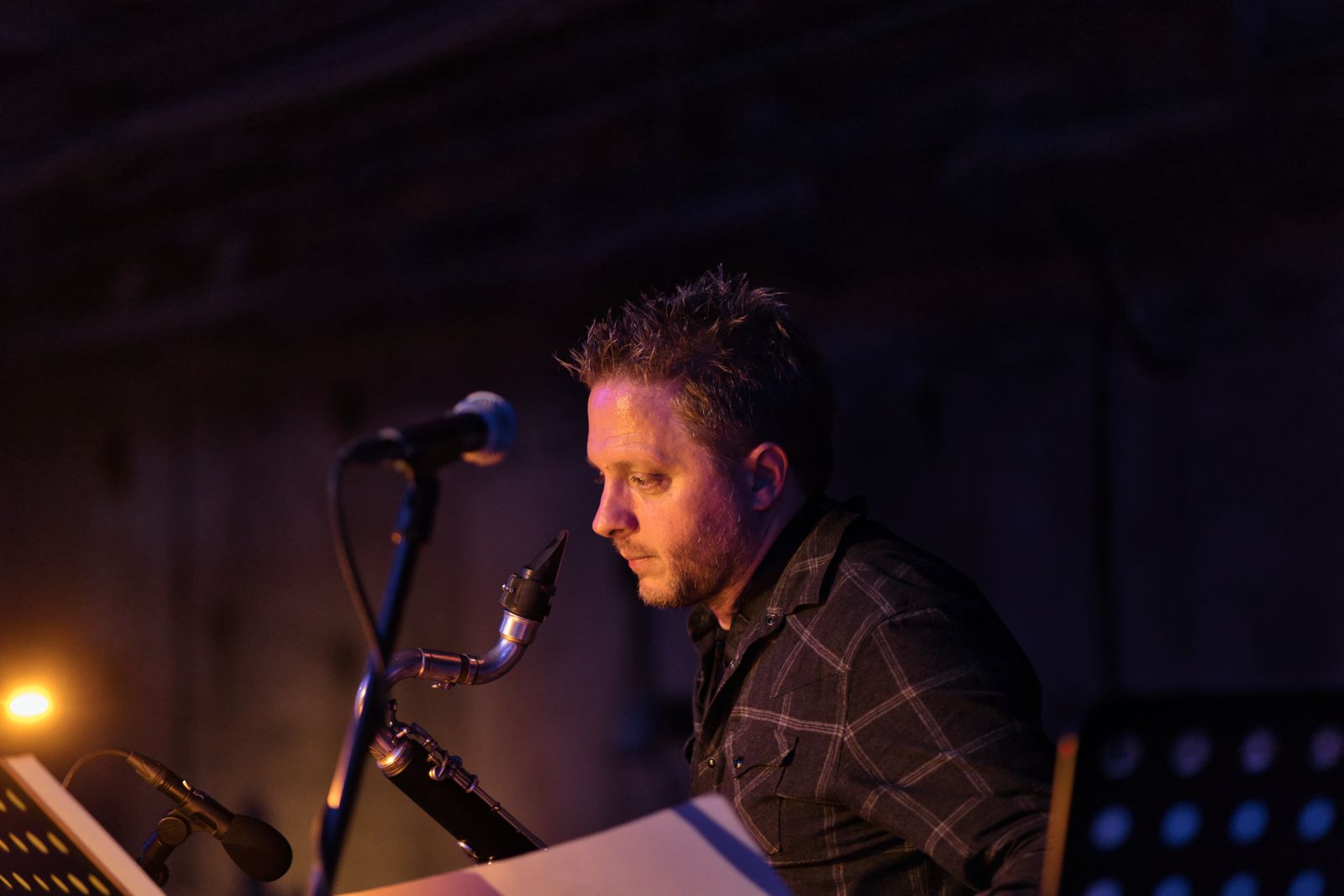
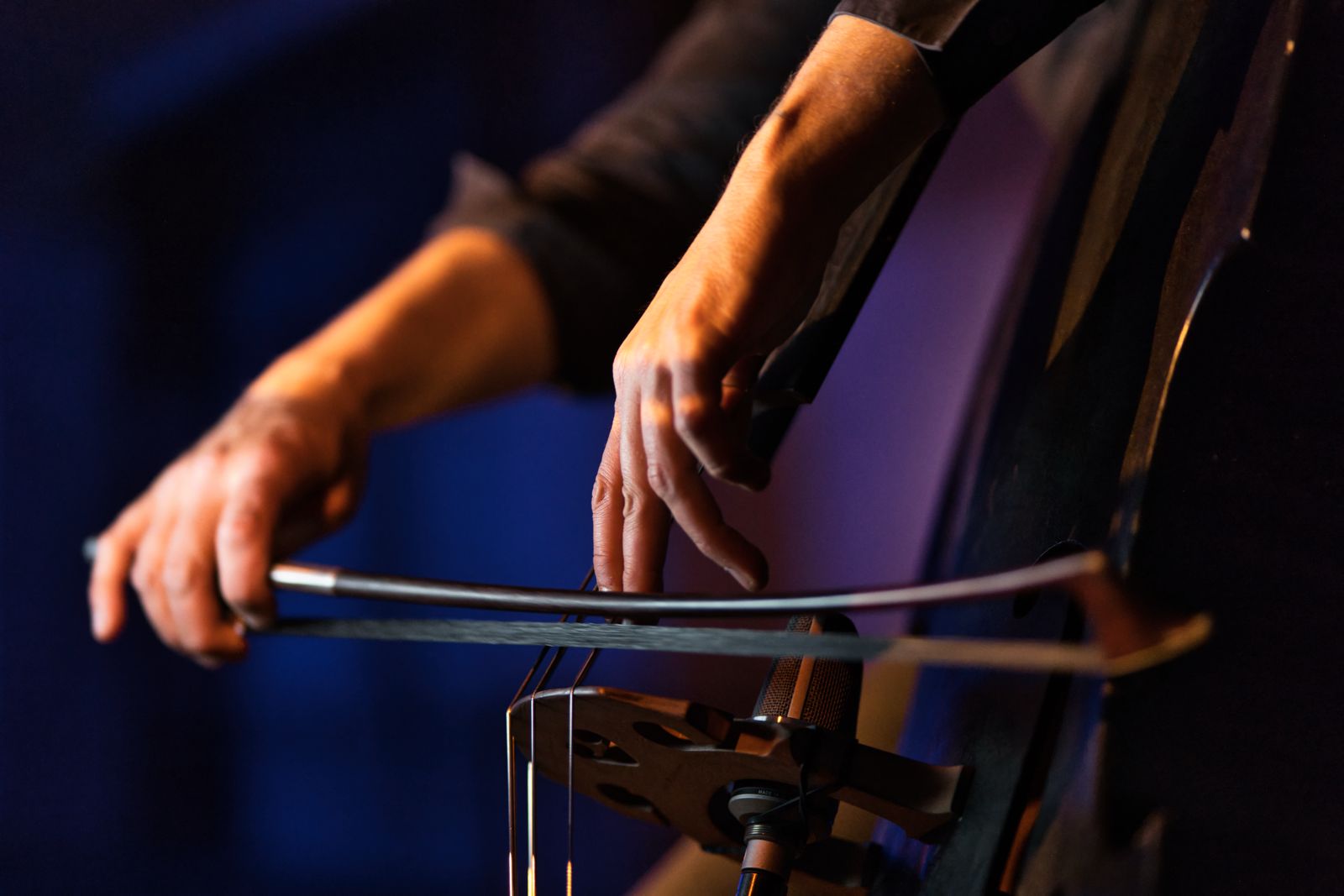
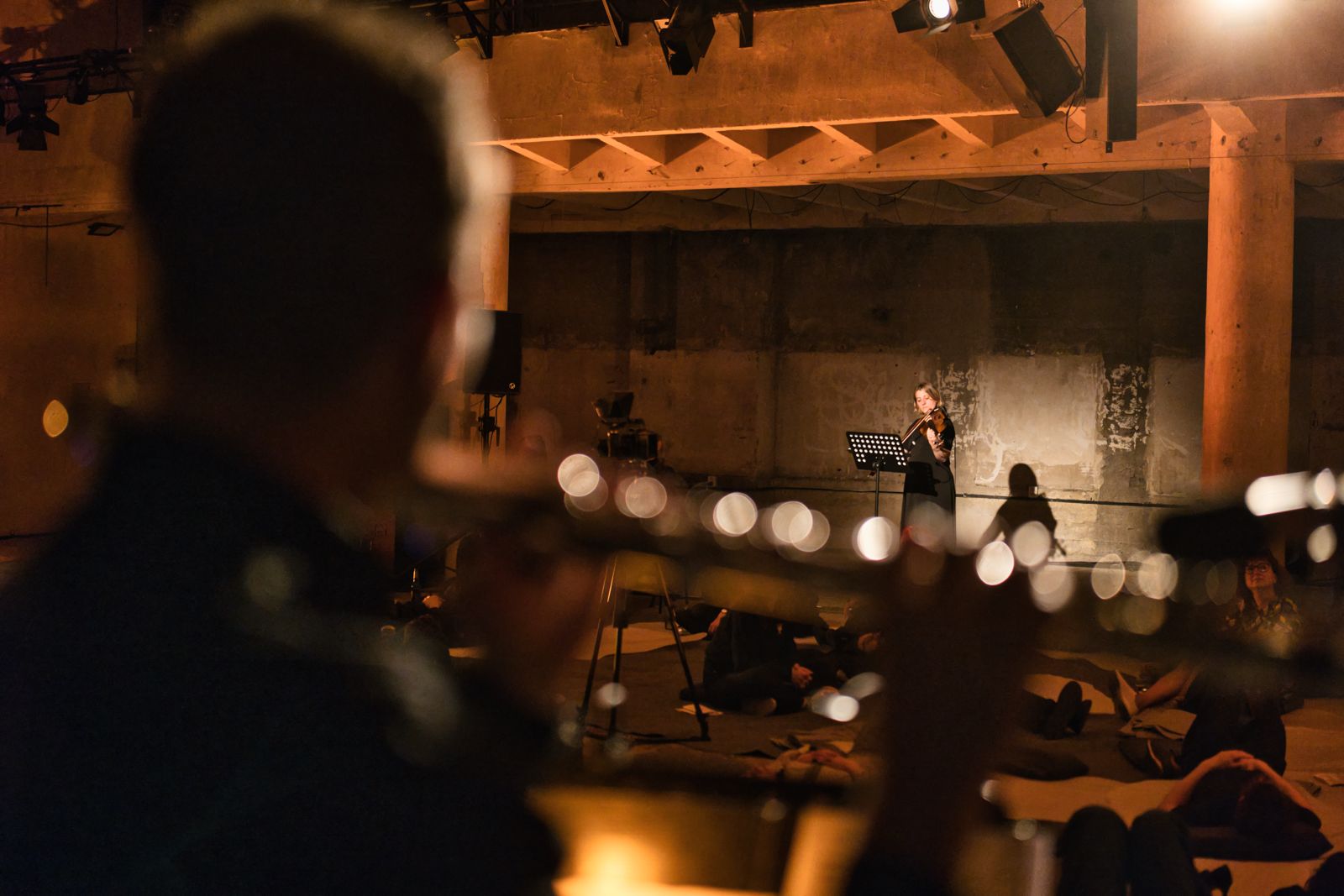
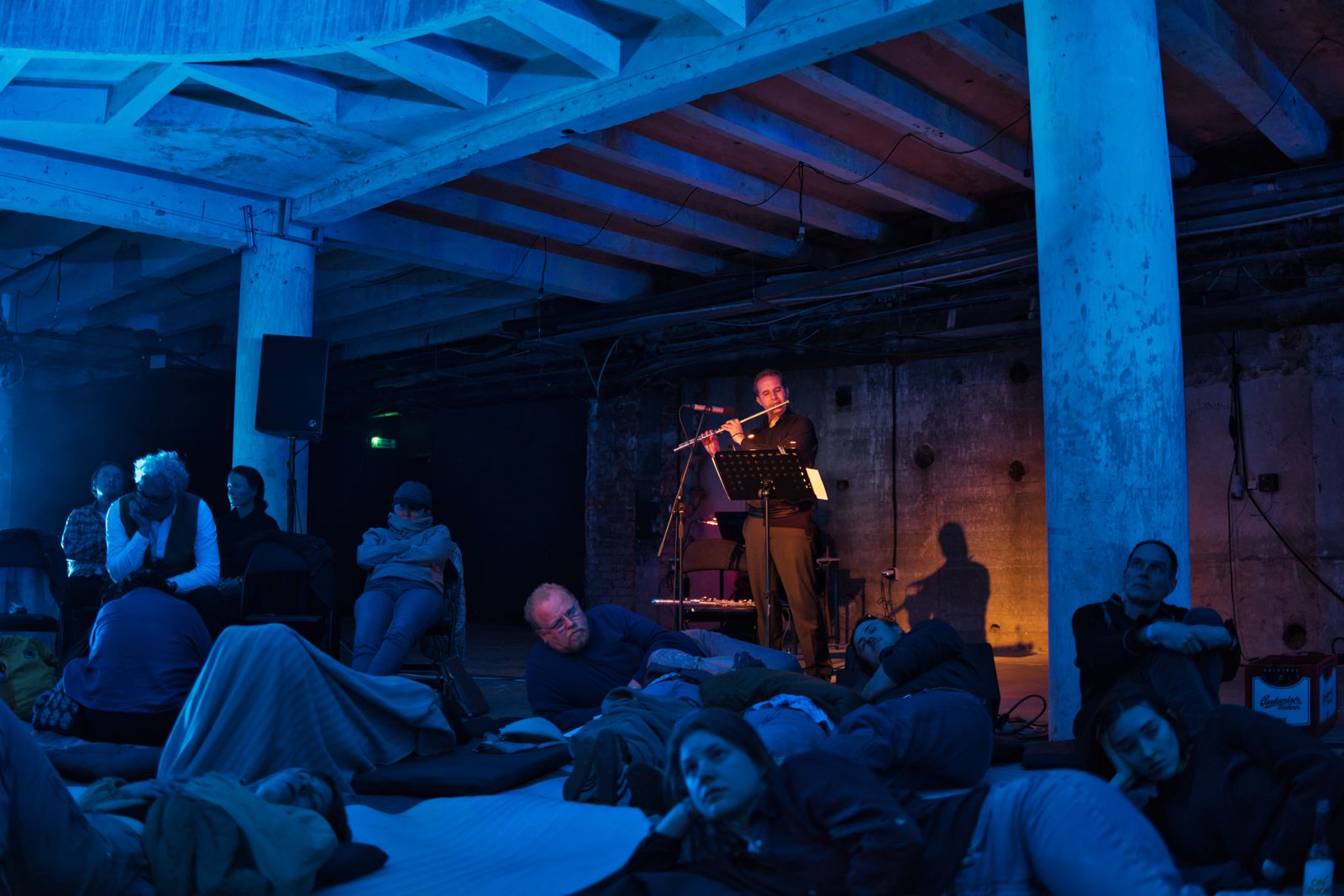
Klang Systematiek’s interpretation retains the original musical material, including the pitches and melodic patterns used by Eno. The repeating structures are performed by a combination of acoustic instruments and electronics, with the original delay processes translated into patterns of timing that allow for greater flexibility. In Eno’s version, the loops are governed by precise delays measured in milliseconds. In performance, these relationships are approached more freely, shaped by the physical timing of the musicians and the interaction between them. The acoustic ensemble consists of bass clarinet, bass flute, viola, double bass and tuned percussion.
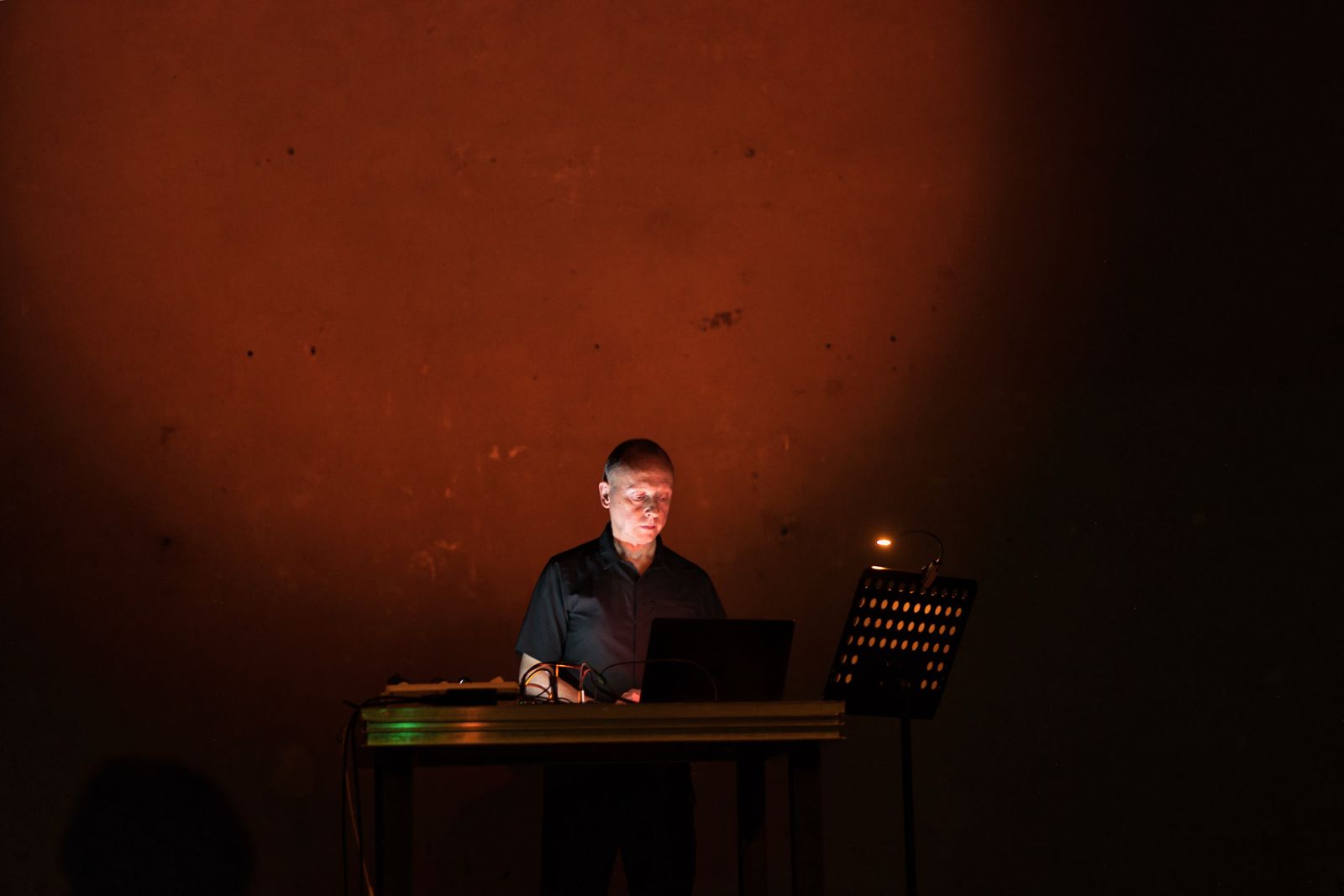
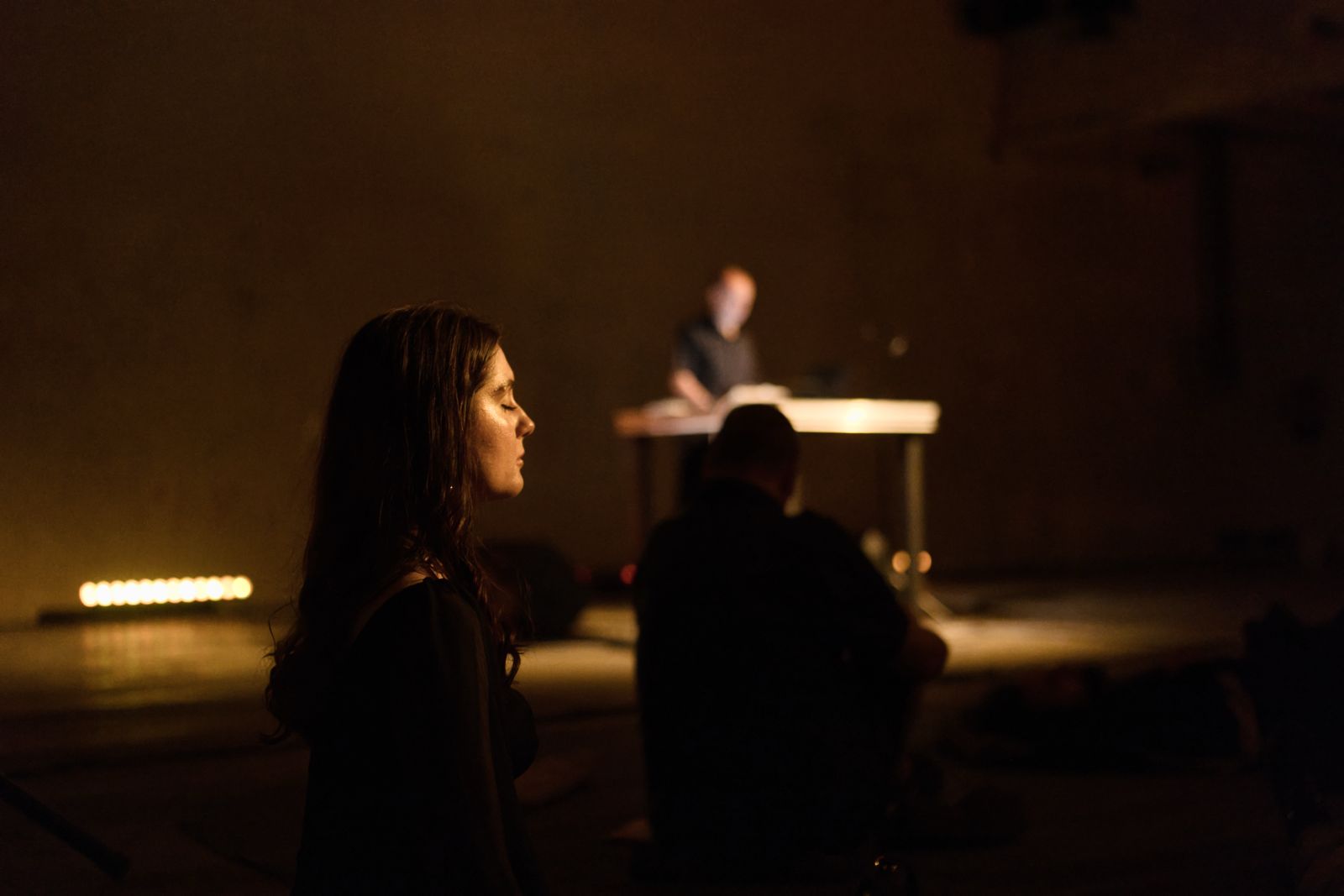
Electronics are performed by Robin Rimbaud (Scanner), who also follows Eno’s original instructions and processes. Alongside the acoustic musicians, his contribution creates a meeting between two different ways of engaging with the work: the physical presence of instrumental performance and the evolving possibilities of electronic repetition and delay. Rather than treating the electronics as an accompaniment, the two elements form an interconnected musical system, with each contributing to the gradual development of the whole.
For Klang Systematiek, returning to Discreet Music is part of a wider interest in bringing existing works into the present through performance. Rather than treating important pieces of experimental music as historical documents, the ensemble approaches them as living material, open to renewed attention and interpretation. Here, the original musical system remains intact, but its realisation takes place through a particular group of musicians, instruments and electronics.
Presented as a single work, Discreet Music is given the time and space to unfold without interruption. There is no need to follow a particular direction or anticipate an arrival. The music simply continues, changing almost imperceptibly as one listens. Each performance becomes a particular encounter with a system that is both carefully constructed and open to chance.
Images